
Arrowsmith and the ‘Bristol Revolution’ of 1831

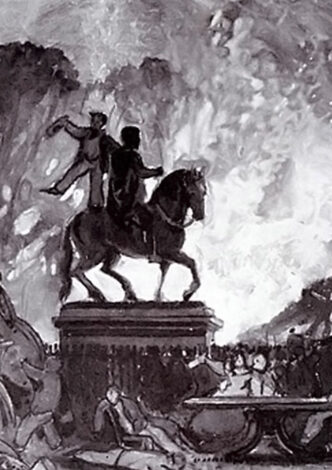
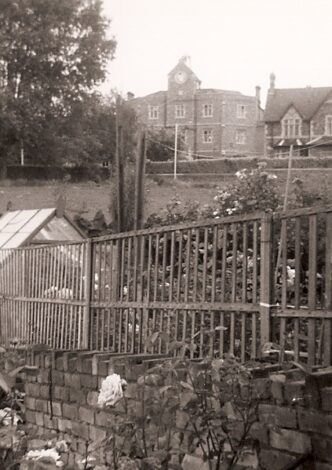
I was fortunate enough to acquire, among a collection of books, both the 1884 and the considerably expanded 1906 edition of Arrowsmith’s Dictionary of Bristol, edited by Henry J. Spear and J. W. Arrowsmith. Concurrent with other research I have been conducting into the Bristol riots of 1831 I perused the entry in each edition and was struck by the volume of revisions. It should initially be noted that the account given in the 1906 edition is substantially longer. As such it is perhaps the detail […]
Do You Have A Conchie In The Family?

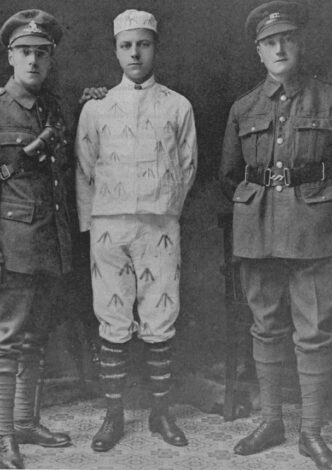
From 1916-19 many men & women in Bristol organised opposition to conscription. Dozens of Bristolians were imprisoned as conscientious objectors. These included Walter Ayles, who was a city councillor and Bristol's most prominent opponent of World War 1; the three Reinge brothers from Totterdown who were all imprisoned for refusing to join the army; George Barker who hid fugitives in the cellar of his bicycle shop in Bedminster; the Whiteford brothers from St George, one of whom refused to […]

Great Britain’s Greatest Beast

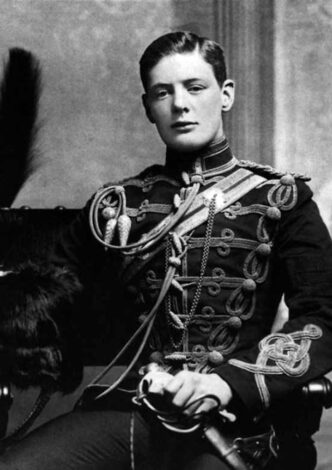
Those keen on heroes Often find they’ve feet of clay. Here’s one example: Someone who fought two world wars, England’s greatest Englishman, A national treasure Who rivals the Crown Jewels. Winston Leonard Spencer-Churchill. Churchill had a school-friend Called Aubrey Herbert Who, in 1915, wrote in his diary, “Winston's name fills Everyone with rage. Roman emperors killed slaves to Make themselves popular, He is killing free men To make himself famous.” Churchill enjoyed war. “A curse should rest […]

Rosemary Green Burial Ground Data

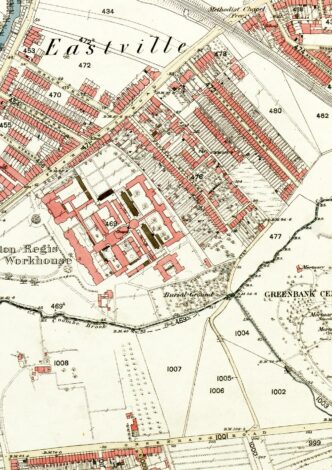
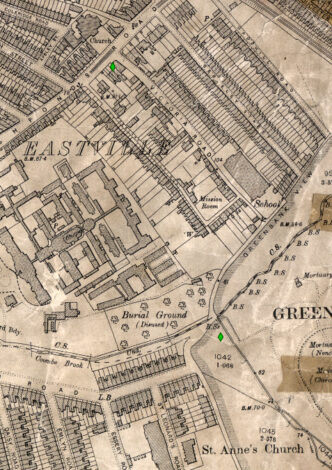
The files listed on this page contain data by decade of the burials at Rosemary Green (marked "Burial Ground (Disused)" on the map below). These are people who died in Eastville Workhouse and were buried in unmarked graves at the site. The files are for Version 2.0 published November 2015 by Bristol radical History. More files for subsequent decades will be added as the are compiled. As existing files are corrected, expanded and updated new version numbers will be issued. A Note On Dates It is […]

Epiphany

Mystics and Anarchists of the English Revolution

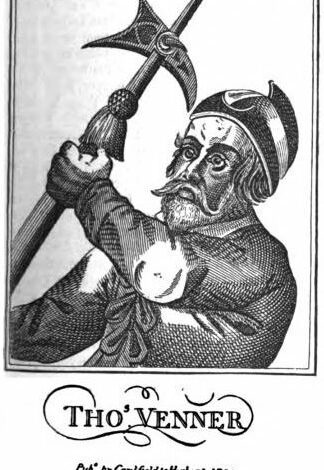
Epiphany is about the rise and fall of the mystics and anarchists of the English Revolution. The Fifth Monarchists stood up to the restoration of the Monarchy in 1661 and were hung drawn and quartered for their efforts. The Muggletonians lasted for 300 years, keeping a low profile they had their own religious beliefs that successfully continued until well after the restoration of the Monarchy. Celebrating these little known political and religious sects of the English Civil War, a collective of […]

The Christmas Truce(s)

From ‘No-Man’s Land’ to ‘Every Man’s Land’

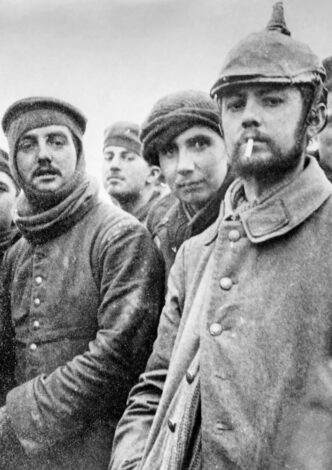
A British sergeant is shot dead almost at the outset, as he stands on the parapet. But this makes no difference. It must be an accident. The supreme craving of humanity, the irresistible, spontaneous impulse born of a common faith and a common fear, fully triumph. And so the grey and khaki figures surge towards each other as one man. The movement has started on the right. It spreads like contagion. Only we officers, the sentries and a few non-commissioned officers remain in our trench. The men […]

Victims of the Poor law

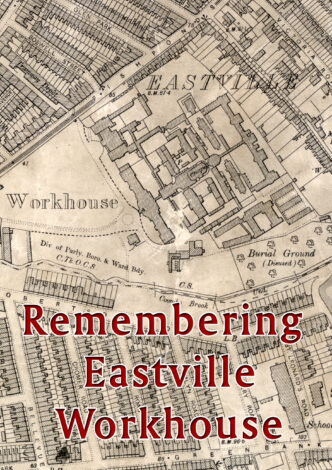
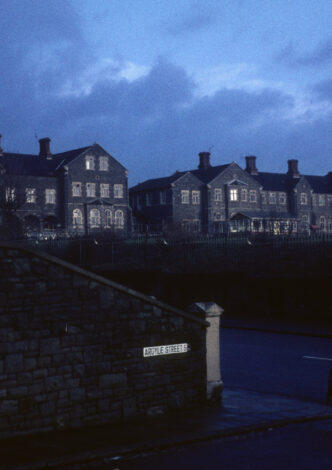
A woman before the courts in 1882 said that she preferred the gaol to Eastville workhouse as ‘in the latter she was three quarter starved and worked to death’ Before the end of the Second World War and the creation of the Welfare state and the National Health Service if you were poor and you got ill or you couldn’t find work there was only one choice for you or your family – the workhouse. The Poor law system that administered the work houses was deliberately designed to make the choice of the […]

Eastville Workhouse and the unmarked graves of paupers at Rosemary Green

Bristol Radical History group (BRHG) is making progress on the project to record and respect the paupers buried in unmarked ground behind the old Eastville workhouse (100 Fishponds Rd), now called Rosemary Green. A key marker of disrespect is burying people, seen as worthless in unmarked graves; their death and burial not worth marking. Despite the fact that Victorian Britain and its Empire was the ‘workshop of the world’ generating unprecedented wealth for the few, at its base was widespread […]