The following two press releases have been released this week (07 December 2025) and can be downloaded in pdf format here:
Press release 1: Bristol
Pauper burials in private and public cemeteries in Bristol
New research – Ridgeway Park, Greenbank and Arnos Vale
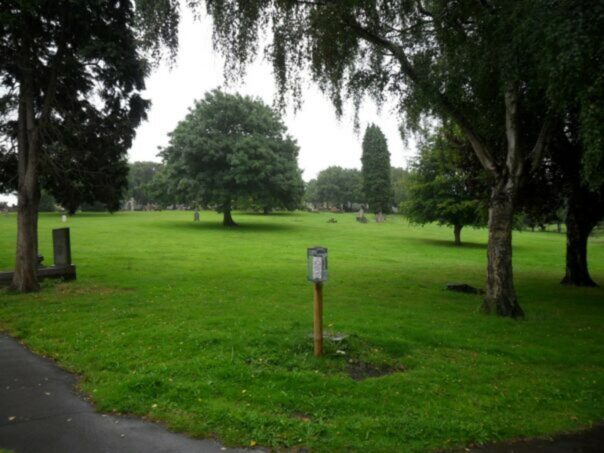
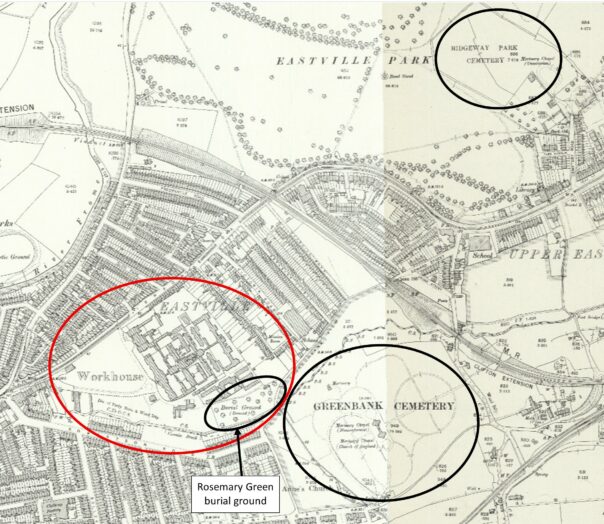
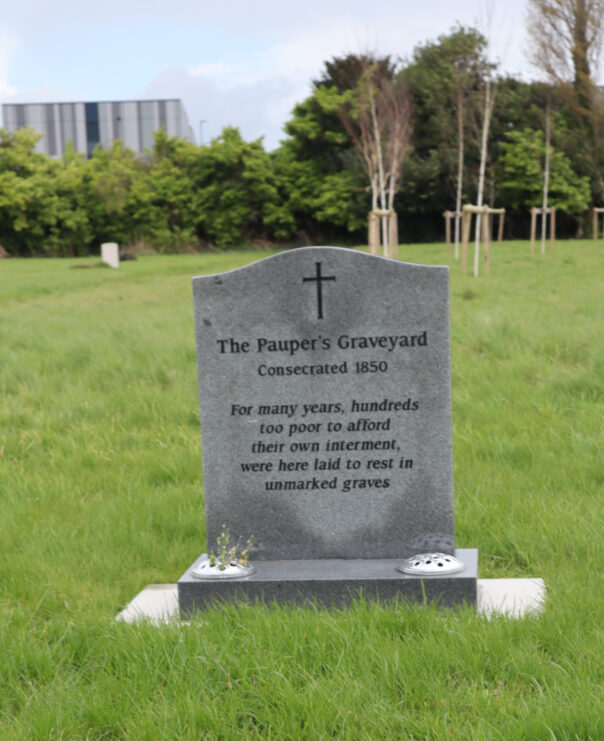
In 2015, to great public interest, Eastville Workhouse Memorial Group (EWMG) released details of more than 4,000 paupers who had been buried in unmarked graves in Rosemary Green, Eastville in east Bristol. These were inmates from Eastville Workhouse which was situated on the present-day East Park housing estate on Fishponds Road. Over the following years EWMG, supported by the local community, marked the pauper burial ground at Rosemary Green, the entrance to the workhouse and the final resting place of the remains in Avon View cemetery, St George with two memorials and a plaque. Many people from Britain and further afield have also been able to track down their friends and family members who died in the Victorian period in the Eastville workhouse.
The unmarked burials at Rosemary Green covered the period 1851-1895, but the question remained: what happened to deceased paupers after this period? Over the last four years local researchers have painstakingly collated data on pauper burials from the workhouse death registers for the years 1895-1914. This research shows that 2,375 unclaimed bodies of paupers were interred in three private cemeteries, the majority in Ridgeway Park (1,264) and Greenbank (962) close to the workhouse and just over 100 in Arnos Vale cemetery in south Bristol. A similar number of deceased paupers from the Eastville Workhouse were claimed by friends and relatives who could prove they could pay for a simple funeral but were also unmarked burials in these and other private cemeteries. The full data can be downloaded here.
Why is this important? Burying deceased paupers in unmarked ‘common graves’ in private cemeteries was common practice in late Victorian Britain. Today these private cemeteries (nowadays usually owned by local authorities) give the impression of order, progress and compassionate values with defined burial plots, gravestones and in many cases elaborate sculptures and crypts. What they hide is the huge number of unmarked graves of the Bristolian working class, many of whom were forced into the workhouse through infancy, age, infirmity, disability, sickness, pregnancy, mental health and industrial injury who then passed away in these dreaded institutions.
Some excellent recent research by local historians from the Friends of Ridgeway Park Cemetery group has demonstrated that of the nearly 25,000 people buried there, more than 22,000 were in unmarked graves. These cheap lower-class graves were repeatedly desecrated to allow further burials and ‘packing and stacking’ of corpses, with in some cases up to 84 bodies in one plot. This disgraceful and disrespectful activity was driven by profit and competition between cemetery owners and continued up to World War II.
What do we want? EWMG have two demands:
- Mass unmarked graves in private (now public) cemeteries need to sign-posted by a plaque, memorial or other means, rather than being merely hidden in the landscape.
- The general public should be able to access the data on who is buried in a particular cemetery for free, perhaps via a QR code on a plaque or sign.
We believe to really understand the history of Britain in the Victorian era we need to be aware of how that society treated the disenfranchised working class and those who were deemed ‘unproductive’ and were consigned to the workhouse, in life and in death.
For further information contact:
Eastville Workhouse Memorial Group
Researchers: Gloria Davey, Roger Ball, Trish Mensah, Di Parkin, Mike Jempson and Steve Mills
Email: brh@brh.org.uk
Tel: 07895052268
Website: https://www.brh.org.uk/site/
FB: https://www.facebook.com/bristolradicalhistorygroup/
Press release 2: National
Standing up for the forgotten
A community history group in east Bristol has launched a nationwide campaign to remember the thousands of people buried in unmarked graves around the UK.
They are demanding that public and private cemeteries containing unmarked graves should install plaques or memorials to allow descendants to find out where and when their relatives were buried.
The Eastville Workhouse Memorial Group (EWMG) has already erected memorials to more than 4,000 paupers the group identified as having been interred without ceremony or marker in public land. Their efforts have enabled people from around Britain and beyond to track down family members who died in the huge Eastville Workhouse in east Bristol during the Victorian era.
Nearby, the Friends of Ridgeway Park Cemetery have recently discovered that more than 22,000 of the nearly 25,000 people buried were in unmarked graves. The ‘packing and stacking’ of working-class people in this private cemetery to increase profits, meant that as many as 84 bodies shared the same burial plot, and the graves were repeatedly desecrated to carry out reburials.
“Hiding away the poor and the disadvantaged in death as in life to save money is a scandal we need to expose,” says Dr Roger Ball of the EWMG. “To fully appreciate working class history and Victorian values, we need to uncover what lies beneath the well-ordered public cemeteries with their ostentatious memorials that we know today. It is easy enough to publish a publish a QR code that will take people to information about who is buried where. There should be such a memorial in every graveyard or cemetery to honour the largely disenfranchised working class, many of whom were deemed ‘unproductive’ and consigned to the workhouse.”
EWMG is urging local history groups to lobby their MPs, local authorities and places of worship to reveal the sites and identities of those buried in unmarked graves.
For further information contact Eastville Workhouse Memorial Group researchers: Gloria Davey, Roger Ball, Trish Mensah, Di Parkin, Mike Jempson, Steve Mills. Email: brh@brh.org.uk Tel: 07895052268
Website: https://www.brh.org.uk/site/
FB: https://www.facebook.com/bristolradicalhistorygroup/
Notes for Editors:
- Pauper burials currently cost local authorities some £6m a year under the Public Health (Control of Disease) Act 1984. Those without the resources to meet the soaring cost of funerals, now averaging more than £4,000, may still be buried in unmarked graves.
- Research by EWMG members revealed that the bodies of 2,375 paupers from the Eastville Workhouse for the years 1895-1914 were interred in unmarked ‘common graves’ in three private cemeteries in Bristol, Ridgeway Park (1,264), Greenbank (962), and Arnos Vale cemetery in south Bristol (just over 100).
- The members identified more than 4,000 paupers buried in unmarked graves from 1851-1895 in east Bristol’s Rosemary Green. To make way for the East Park estate in the 1980s their remains were crudely removed to be placed in unmarked mass common graves in Avonview cemetery, in St George. They are now commemorated by two memorials and a plaque erected by the group, whose research can be viewed here.
- The remarkable story of the Eastville Workhouse Memorial Group is recorded in 100 Fishponds Road: Life and Death in a Victorian Workhouse, published by Bristol Radical History Group. ISBN 978-1-911522-00-3.