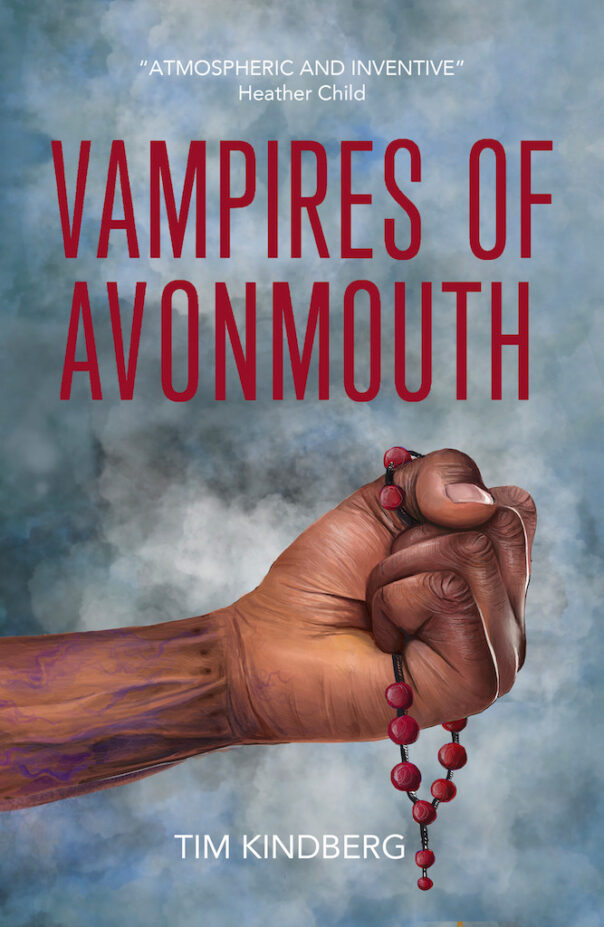
Dystopian visions far outnumber utopian visions in literature, and my last novel, Vampires of Avonmouth, is no exception. Set late this century between Avonmouth, which has become a vertiginous mega-city, and a part of future West Africa corresponding to today’s Accra, climate change is all too real, yes. But the 2087 world of the book is also pervaded by shoddy AI; it’s run by technology corporations; and everyone’s brains are directly connected to the internet. In effect, the first two of those things were reality (or close to it) within a few years of writing the book, and the third is already Elon Musk’s immediate goal. So much for trying to describe a far noir future.
By contrast my latest novel, Future Song (forthcoming c. May this year) is set firmly in Bristol and in a nearer future, against a backdrop of adaptation to the realities of climate change. It’s neither a utopia nor a dystopia, but what Rupert Read calls a thrutopia. I’ll be explaining what that means in terms of how we respond to unfolding crises, and what kind of future-imagining and future-thinking I’ve been doing as I’ve written it.
Event details