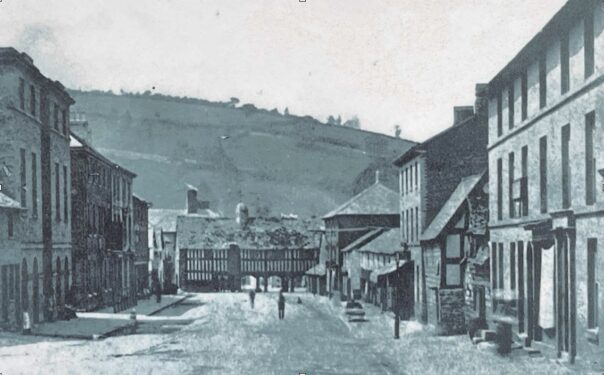
 The Newport Rising in November 1839 is the most celebrated event in early Chartism linked to Wales. But it marked the disappointing end of a year which had opened with high expectations from the General Convention of the Industrious Classes and the presentation of the National Charter to Parliament. Less renowned, but no less significant, were events in Llanidloes, Montgomeryshire earlier in April, when attempts to arrest local Chartist leaders led to a riot in which the established forces of law and order were overthrown and the town placed effectively under the control of the Chartists for five days.
It was the Llanidloes riot that first provoked the imposition of repressive measures against the Chartist Movement, leading to the arrest of its leaders and the growing sense of desperation that manifested itself in the march on Newport. But how did Chartism take root in mid Wales and who were the people, on either side of the political divide, who found themselves caught up in the “Pum Diwrnod o Ryddid” (Five Days of Freedom)?
Event details
Date: , 2026
Time: to
Location: Level 2 - Welsh Risings room
Venue: M Shed, BS1 4RN
Price: Free
With: Nick Venti, Nia Griffiths