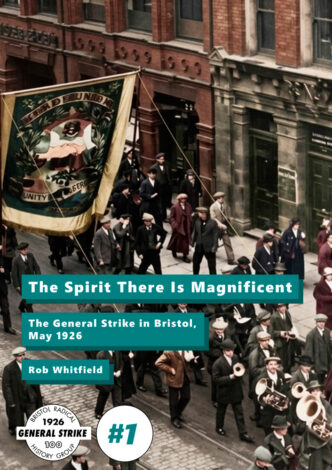
Patriots, volunteers and scabs: The 1926 General Strike in Bristol

For nine days in 1926, the country ground to a halt as over four million workers downed tools in support of the miners. Mapping the flashpoints from the 1926 General Strike in Bristol, this behind-the-scenes walk around the city centre delves into the hidden histories from the strike, the use of propaganda and how the state fought back. A 2-hour walk from Kingsley Hall on Old Market Street via the centre ending at the St James Barton - Bear Pit....(and then to the Cube for a drink, samosas and […]

The General Strike in Gloucester and Swindon

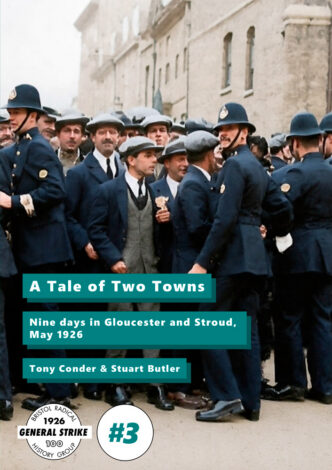
Gloucester Docks, Sugar and Strife - Tony Conder As an industrial city Gloucester's industries were hit by the strike in 1926. The dock workers and boatmen of Gloucester played a key role in taking action and suffering in the aftermath. The business of the docks pitted powerful conservative forces who made no attempt to recognise the emergency against an almost cheeky gallantry by their striking workforce. A Railway Town and the General Strike: Nine Days in Swindon in May 1926 - Stuart Butler […]

‘Bread or Blood’ – The Merthyr Rising of 1831

The talk will cover the explosive social, economic and political reasons behind the Merthyr Rising of 1831. The Merthyr Rising in 1831, was a rising not a riot, as viewed by the status quo. It was the most ferocious and bloody event in the history of Industrial Britain. It will conclude by looking at the main legacy of May 1831 and the reasons why we commemorate the events today.

The General Strike in Bristol: an introduction

In May 2026 we mark the centenary of the General Strike. This talk will cover the events of those nine days in Bristol and put them in their national context. We will also look at the miners' lock-out which began before and lasted longer than the General Strike.

‘An industrial Red Cross’: Labour women’s support for the miners’ lockout in the south west.

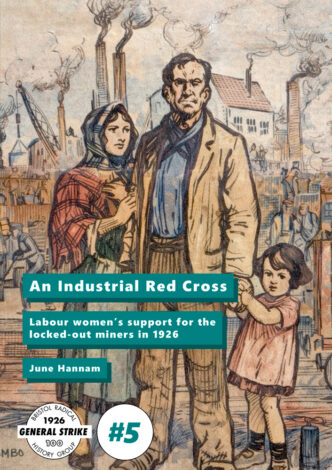
This talk will describe the setting up of the Women’s Committee for the Relief of Miners Wives and Children in London by the Labour Party Chief Woman Officer, Marion Phillips. It will then focus on the efforts of Labour women to raise funds and to organise relief in the southwest and the support they gave to relief committees in Bristol and in Radstock. It will suggest that the Lockout gave them the opportunity to demonstrate that they had the necessary skills to organise relief on a national […]

The 1926 miners’ lockout in the Forest of Dean and the Somerset coalfield

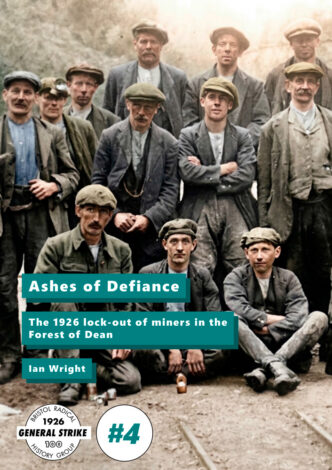
Women, Rough Music, and Direct Action during the 1926 lockout in the Forest of Dean Ian Wright will discuss the use of rough music and skimmington-style protest by miners' wives against blacklegs and the police during the 1926 miners’ lockout in the Forest of Dean. The talk will then explore the subsequent occupation of Westbury Workhouse by around 300 women and children in response to the withdrawal of Poor Law relief for miners’ families. Resistance and resilience: the 1926 General Strike and […]

Reflections on the General Strike

What should we learn from the 1926 General Strike and what might the 2026 General Strike look like? Were the TUC fully to blame for the failure of the strike? Why does the labour movement memorialise our failures rather than our victories? What is the relevance of 1926 today? Chairing this discussion and Q&A is Chris Bowkett, a trade union activist, USDAW Bristol branch chair and contributor to the Bristol Radical History Group. Chris has recently written a pamphlet on the relationship […]

The Centenary of the 1926 General Strike

May 2026 marks the 100th anniversary of the nine day ‘General Strike’. This solidarity action was an attempt by the Trades Union Congress (TUC) to prevent wage reductions and increasingly bad working conditions for 1.2 million coal miners who had already been locked-out by their employers. Around 1.7 million workers, mainly in transport and heavy industry, responded and the country was confronted with explicit class war. “I will not see the strikers’ own food left to rot!” Chris Bowkett from the […]

Coal Not Dole Exhibition

Bristol Miners' Support Campaign Archive

Bristol Radical History Group (BRHG) are putting an exhibition dedicated to the 1984/85 Miners’ Strike on display at Bristol Archives over February. The exhibition celebrates the work of the Bristol Miners’ Support Campaign during the year long dispute. Over the last eighteen months BRHG has sponsored a project to collect and preserve documents and other materials from the campaign, one of many around the country that aimed to support the communities that were at the forefront of the strike. It […]

John Williams: The Making of a Miners’ Agent

John Williams was born in 1888 in Kenfig Hill and started work at the International Colliery in the Garw Valley at the age of thirteen. In 1922, Williams was selected for the paid post of agent for the Forest of Dean Miners Association (FDMA), which was the trade union representing Forest of Dean miners. Williams remained committed to representing the Forest miners until his retirement in 1953 and lived in the Forest from 1922 until he died in 1968. The social, political and industrial movements […]