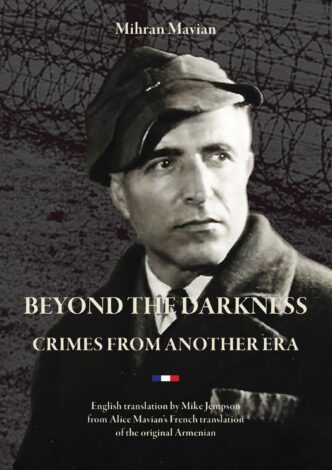
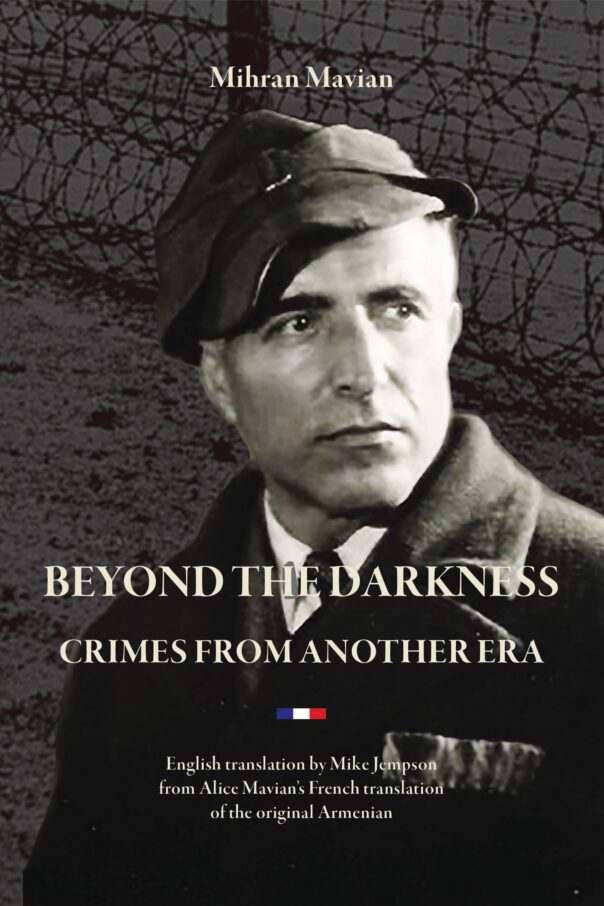
 Initially a memoir/diary of the experiences of Armenian communist,the book was first published in Armenian in 1976.
It covers Mavian’s experiences between 1944 and 1947. In particular his involvement with the French Resistance, his arrest and incarceration in Compiègne prison and his incredible odyssey of horror as he was moved to Auschwitz, Buchenwald and Flossenbürg concentration camps. Remarkably he survived and returned to Paris in late 1945. It is to the credit of Alice Mavian, Mavian’s daughter, who translated his story from Armenian to French, published in 2012.
In her introduction to the French translation Alice says:
What I was learning from both assignments about the depths of human depravity was corrosive. That sense of dread and despair returned as she delved in Mihran’s first hand testimony about life in the Nazi death camps.
The second translation, (this text), from French to English is the work if Mike Jempson, a long-term friend of the Mavian family. Jempson has provided excellent endnotes which help the reader to place people, places and organisations at the time mentioned by Mavian.
Both translators reveal that they need breaks of weeks or months in their work because of the emotional and intellectual stress of recording Mavian’s experiences and the related, almost unimaginable terror of the Nazi’s inhuman behaviour. Readers also may well need a break or two. However, Alice’s point in her introduction needs to be kept in mind: “It is not a literary work, it is a testimony”.
Once captured and sent to the Compiègne, the ‘othering’, dehumanising process commenced immediately. Mavian says “I no longer had a name, I was number, 29063”. At Flossenbürg he recalled
there were many ways to die at Flossenbürg. A large number of detainees who could no longer bear the suffering chose to die by throwing themselves on the electrified barbed wire.
The importance of trying to maintain morale and compassion in the camps, wherever possible, was important, for example the sharing of the very rare food parcels from home amongst comrades was uplifting in the darkest situation.
This book will probably provoke tears, anger and puzzlement about how human beings could commit such terrible atrocities. However, Mavian reminds us of the words spoken by a German at the 1995 commemoration of the liberation of the Flossenbürg:
All of us, young and old, are linked to this story and required to take and acknowledge our responsibility.
With the spectre of fascism looming ever closer those words resonate today as much as they did then.
Reviewer, Sean Hosey, February 2026.
You can buy this book here.